Our Work
Recent Projects
A few examples of driveways, patios and slabs poured recently.
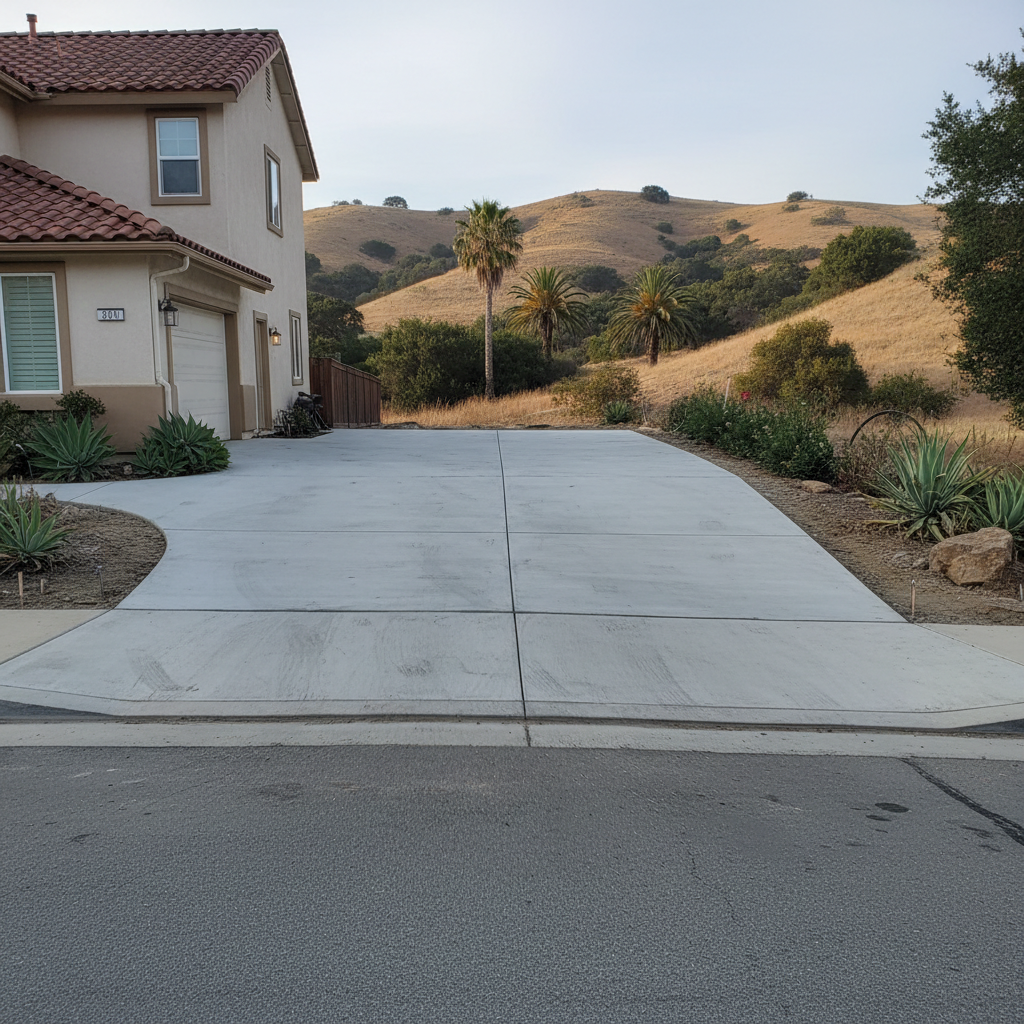
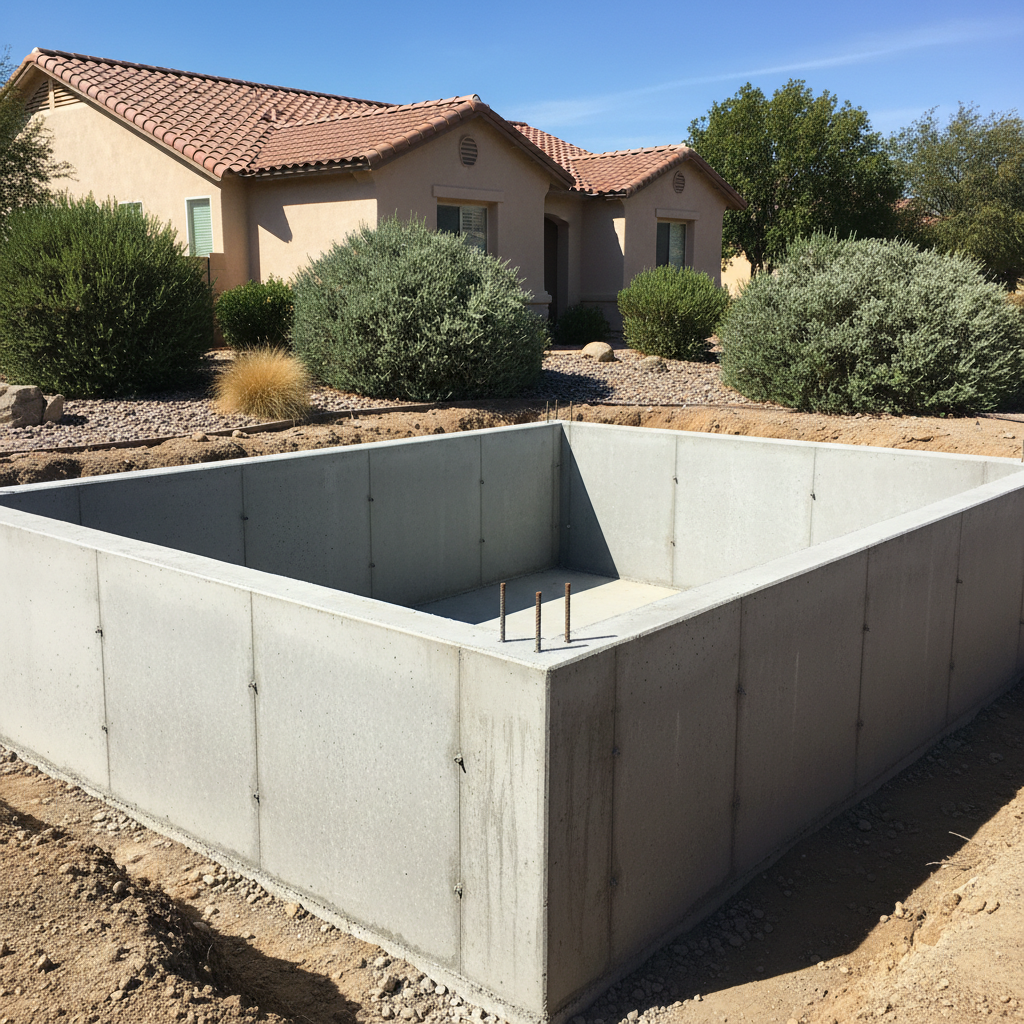
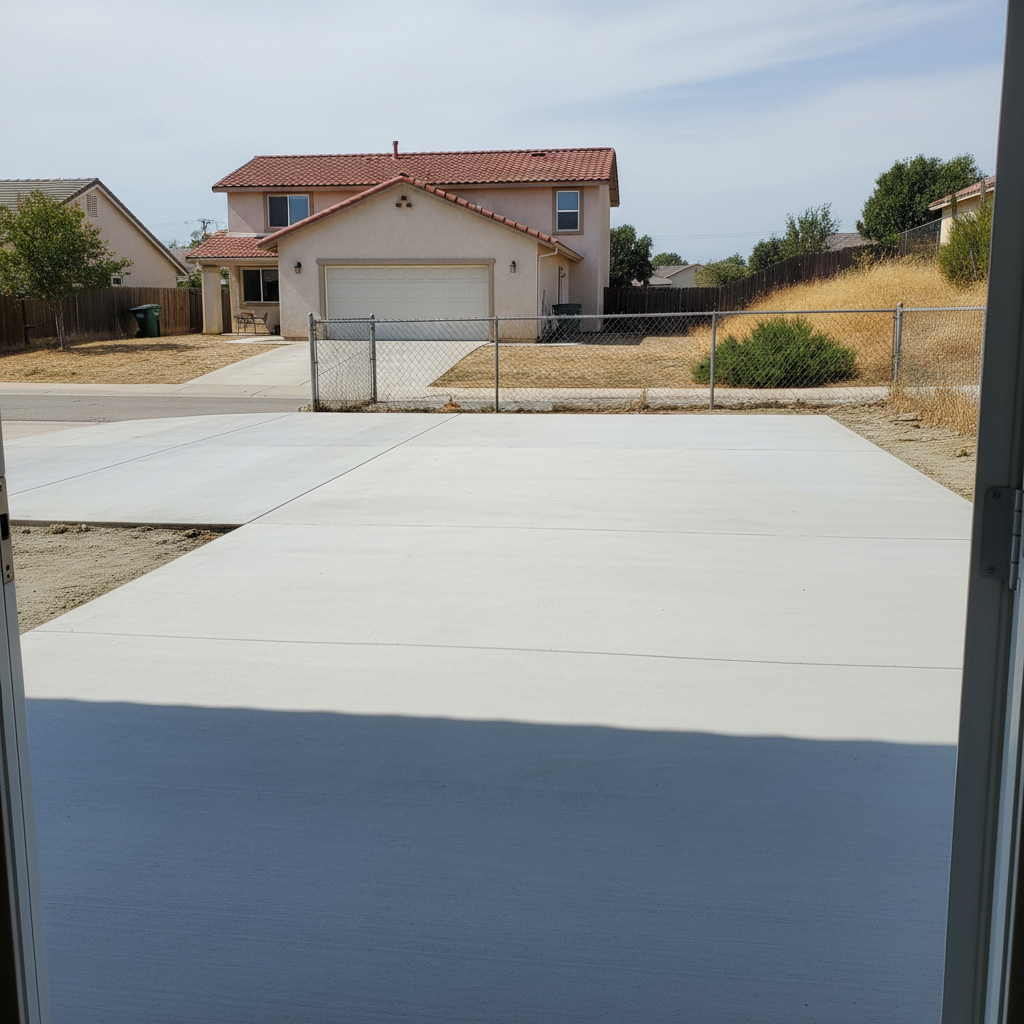
Every job below is one we do ourselves across Downey.
We pour driveways with a compacted base, control joints laid out for how a vehicle actually loads the slab, and rebar where the soil calls for it instead of wire mesh. A 4-inch driveway slab over clay soil needs different reinforcement than one over sand. We'll tell you the psi mix we're using and why before the truck shows up.
Patios are usually a simpler pour than a driveway, but the finish matters more since you're looking at it up close every day. We can do a broom finish, a smoother trowel finish, or something decorative depending on how you'll use the space. Drainage slope away from the house gets built into the forms before we ever pour.
Stamped concrete gets you the look of flagstone, slate or brick without the joints that let weeds and ants in. We color the mix, stamp the pattern while the concrete's still plastic, and seal it once it's cured. It costs more than a plain broom finish, and it's worth it if you want the look without the upkeep of real stone.
Cracks, pop-outs, spalling and sunken sections all get handled differently, so we start by figuring out why the concrete failed before patching anything. A hairline crack from normal shrinkage is cosmetic; a crack with one side higher than the other usually means the base settled and needs more than a surface patch. For bigger damage we'll saw-cut out the section to the nearest joint and repour it so the repair doesn't just crack again along the old line.
We pour slab foundations for additions, sheds, garages and workshop floors, with a vapor barrier under the slab and rebar sized to what's going on top of it. Getting the base compacted right matters more here than almost anywhere else, since this is the slab everything else gets built on.
Walkways get poured with their own expansion joints separate from the driveway or patio slab, so they're free to move independently instead of cracking at the tie-in point. We keep the width and slope consistent so the path doesn't collect water after a storm.
Steps have to meet a consistent rise and run or they become a tripping hazard, so we form and pour them to code rather than eyeballing it. We can finish them to match an existing patio or driveway, or do a different texture for extra grip.
Pool decks need a broom or knockdown finish for slip resistance, and the slope has to pitch water away from the pool, not toward it. We space control joints tighter around a pool deck since the concrete's exposed to more sun, water and chemical splash than a regular patio.
Small retaining walls for grade changes in the yard get poured or block-built with drainage behind them, because a wall holding back wet soil without drainage eventually leans or cracks. We size the footing to the height of the wall and the soil it's holding.
Before any new pour, old concrete that's cracked, sunken or in the way has to come out, and we haul it off so it's not sitting in your yard. We can take out a section as small as a walkway or a full driveway slab, and we check for rebar or old utility lines before we break anything up.
Four steps, and no surprises in any of them.
You tell us what you want doing, we look at what is actually there, and we ask the awkward questions early.
In writing, itemised, free. If something might add cost later we flag it now rather than at the end.
Same crew throughout. We cover your floors, keep the dust down and tidy up before we leave each day.
You point out anything you are not happy with and we fix it before the invoice, not after.
A few examples of driveways, patios and slabs poured recently.
This is the ground covered for concrete work, roughly fifty miles out from Downey.
Questions that come up once a concrete project is actually underway.
Describe the problem and we will tell you what it probably is. No obligation.